Beckton Garden Maintenance Price Comparison: Avoid Hidden Charges
If you have ever asked for a garden quote and then felt that odd little wobble when the "final" price did not match the first one, you are not alone. A proper Beckton garden maintenance price comparison avoid hidden charges approach is less about hunting for the cheapest number and more about understanding exactly what you are paying for, what is extra, and what should be included from the start.
That matters in Beckton because gardens here can vary a lot: small front plots, family lawns, awkward side access, mature hedges, tired borders, paved areas that need clearing, and the occasional "it looked fine in winter, then spring arrived and everything exploded" situation. The good news is that comparing quotes does not need to be complicated. If you know what to look for, you can spot vague pricing, compare service levels properly, and avoid the classic hidden-charge trap. Let's make it simple, practical, and actually useful.
Why Beckton garden maintenance price comparison avoid hidden charges Matters
Garden maintenance pricing can look straightforward at first glance. A company says they can mow, tidy, weed, trim, and clear up. Another says they can do it cheaper. But once you start comparing properly, the real differences begin to show. One quote may include waste removal, while another treats it as an extra. One may allow for hedge cutting; another may only cover a quick light trim. One may price by visit, another by hourly rate. And sometimes the "low" quote is really just a half-quote.
That is why price comparison is useful. It helps you separate headline price from total cost. It also protects you from the sort of add-ons that appear after the work starts: difficult access, overgrown borders, extra green waste, root-heavy weeds, pressure-washing not included, or an extra charge for a second visit. To be fair, some extras are reasonable if they genuinely were not visible at the quote stage. The issue is when they are not explained up front.
For local homeowners, landlords, and property managers, this matters for another reason too: consistency. If you are arranging regular upkeep, you want predictable service and predictable billing. A garden is not just a patch of grass; it is part of the appearance, safety, and enjoyment of the property. A messy quote usually leads to a messy job. Not always, but often enough.
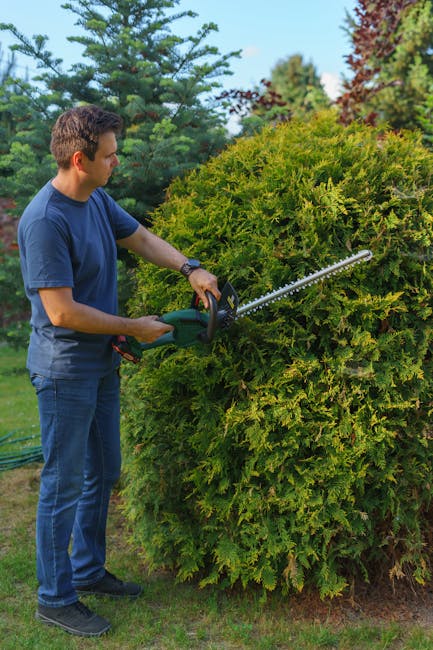
If you are planning broader outdoor improvements later, it can also help to understand how maintenance sits alongside other services. For example, a garden that is overgrown, slippy, or hard to access may need more than routine care. You might then look at garden maintenance services, lawn care support, or even hedge trimming in Beckton depending on what the space actually needs.
How Beckton garden maintenance price comparison avoid hidden charges Works
The process is simple in principle: get more than one quote, compare what each quote includes, and challenge anything that is vague. In practice, though, people often compare only the total number and miss the fine print. That is where hidden charges tend to hide. Quietly. Like a rake in long grass.
A better method is to compare the quote by service item. Ask what is included for mowing, edging, border clearing, weed removal, hedge trimming, leaf clearance, and waste disposal. Then ask what happens if the garden takes longer than expected, if access is awkward, or if the job turns out to be more involved than a quick tidy. The more specific the quote, the easier it is to trust.
Most garden maintenance quotes will fall into one of these styles:
- Fixed price: one agreed amount for a clearly described job.
- Hourly rate: you pay for time spent, which can suit unpredictable jobs but needs careful control.
- Visit-based pricing: a set fee per appointment, often used for recurring maintenance.
- Task-based pricing: individual prices for mowing, hedge trimming, clearance, and similar jobs.
None of these is automatically better than the others. A fixed price can be brilliant for budget control, but only if the scope is clear. Hourly pricing can be fair for a neglected garden makeover, but only if progress and limits are agreed in writing. The quote method matters less than the clarity behind it.
When comparing, look for the words that should be spelled out, not assumed: green waste removal, number of team members, frequency of visits, minimum call-out, VAT if applicable, and whether small extras are bundled in or billed separately. A quote that answers those things up front is usually the one you can work with calmly.
Key Benefits and Practical Advantages
Done properly, comparing garden maintenance quotes gives you much more than a lower bill. It gives you control. And frankly, that is the thing most people want.
- Clear budgeting: you can plan monthly or seasonal spend without guesswork.
- Fewer disputes: there is less room for disagreement about "what was included."
- Better service matching: you can choose a provider that suits the size and condition of your garden.
- More confidence: you know the quote has been checked, not just accepted at face value.
- Improved value: the cheapest option is not always the best once add-ons are counted.
- Seasonal flexibility: you can compare spring tidy-ups differently from winter maintenance.
There is also a practical benefit that often gets missed: comparing quotes gives you a better sense of what your garden actually needs. Many people overbuy routine maintenance because the first quote they saw sounded alarming, or underbuy it because they wanted to save money in the short term. A careful comparison brings the reality into focus.
And if the garden is only half under control, you may find it helps to pair maintenance with some targeted improvements. For example, weed pressure is often a big driver of cost, so it can be worth reading about practical weed control strategies and simple weed control tips before asking for a quote. It makes the conversation more grounded.
Who This Is For and When It Makes Sense
This approach is useful for a lot of people, not just homeowners with neglected lawns. In fact, the real value often shows up when a garden is not dramatic, just slightly out of control. Those are the jobs where unclear pricing can sneak in.
You will especially benefit if you are:
- a homeowner trying to keep routine maintenance affordable
- a landlord needing regular outdoor upkeep between tenancies
- a tenant who wants to understand fair pricing before asking for work to be done
- a property manager comparing service levels for multiple outdoor spaces
- someone with a large, heavily planted, or overgrown garden
- someone who has been stung by surprise extras before
It also makes sense if your outdoor space has one or more "cost amplifiers": lots of weeds, hard-to-reach corners, dense hedges, heavy debris, patio build-up, mixed planting, or a lawn that needs more than a standard cut. If that sounds familiar, you are not being difficult by asking for detailed pricing. You are being sensible.
There is a seasonal angle too. Spring and early summer often create sudden demand, and after winter, many gardens need more than a quick tidy. If you are preparing for the colder months or recovering from them, it can help to read about winter garden preparation and protecting gardens from severe weather damage. That context can affect what you ask for and what you should expect to pay.
Step-by-Step Guidance
- List the exact tasks you want done. Be specific. "General tidy-up" is too loose. Say mowing, edging, border weeding, hedge trimming, leaf clearance, pruning, and waste removal if needed.
- Measure the obvious scale. You do not need a surveyor's notebook, but rough lawn size, hedge length, access issues, and any steep or awkward sections help a lot.
- Ask for itemised quotes. The best quotes separate labour, materials, disposal, and any optional extras.
- Confirm what is not included. Hidden charges usually begin in the gaps. Ask directly what would trigger an extra fee.
- Compare like for like. Two quotes are only comparable if they cover the same tasks, frequency, and waste handling.
- Check service frequency. A cheaper monthly visit may not be cheaper over the year if the garden needs more frequent attention.
- Ask about turnaround and scheduling. A good price is less useful if the provider is always unavailable when you need them.
- Get the final agreement in writing. This is where clear wording protects both sides.
A small but important point: if a quote is vague, do not try to "read between the lines." Garden work is one of those things where assumptions cost money. Better to ask one more boring question now than have an awkward conversation later.
If your project is not just maintenance but a broader tidy-up or reset, the article on garden makeover planning can help you decide whether you need routine maintenance, a one-off clearance, or something in between.
Expert Tips for Better Results
The best way to avoid hidden charges is not to become suspicious of every quote. It is to make the quote easier to write properly. A clear brief usually gets a clearer price. That is the honest version.
- Use photos. Send wide shots, close-ups, and any awkward areas. A photo of the back corner where ivy has taken over can save everyone time.
- Mention access early. Narrow side passages, locked gates, parked cars, or no rear access can affect labour time.
- Ask if waste removal is included. Green waste is one of the most common add-ons.
- Clarify whether tools and fuel are part of the price. Usually they are, but do not assume.
- Be careful with "from" prices. They are not bad on their own, but they should come with a clear explanation of what changes the final figure.
- Request the frequency of visits in writing. A low per-visit price can become expensive if the garden needs more visits than you expected.
If you want lower long-term maintenance costs, it can also help to choose a garden style that is easier to care for. A few practical ideas are covered in low-maintenance budget garden tips and ground cover planting ideas. Less fuss in the garden often means fewer surprises on the bill. Simple, really.
One more tip: if hedges, climbers, or screening plants dominate the space, ask whether the quote treats them as routine trimming or specialist work. For dense growth, it may be more accurate to compare with a dedicated service such as hedge trimming in Beckton. That distinction matters more than people realise.
Common Mistakes to Avoid
Most people do not get caught out because they are careless. They get caught out because the quote sounded fine and they were in a hurry. Happens all the time.
- Comparing only the headline price. A lower number can hide exclusions.
- Not checking waste disposal. Cutting back a hedge or clearing borders can create more disposal work than the customer expects.
- Assuming a regular service includes everything. Mowing might be included, but edging, weeding, and hedge work may not be.
- Forgetting seasonal change. A spring tidy-up is rarely the same as a summer maintenance visit.
- Accepting vague wording. Phrases like "general maintenance" or "as required" need definition.
- Not asking about minimum charges. Small jobs can still trigger a minimum visit fee.
- Ignoring safety and access concerns. If a job needs special care, it can change the cost for valid reasons.
People sometimes also forget that better garden care can reduce future labour. A tidy, well-planned outdoor space is easier to maintain than a garden that has been allowed to tangle itself into a small wilderness. A charming wilderness, maybe. But still a wilderness.
If weeds are already driving up the time and cost of maintenance, it may be worth looking at strategies for controlling weeds in the garden and how to keep ivy under control. That can make future quotes far easier to compare.
Tools, Resources and Recommendations
You do not need a full toolkit to compare quotes well, but a few simple things help. Nothing fancy. Just enough to give the gardener a clear picture and give you a fair basis for comparison.
- Phone photos: wide shots of the whole garden and close-ups of problem areas.
- Basic measurements: approximate lawn size, hedge length, patio or decking area, and border depth if you know it.
- Task list: a short written note of what must be done and what is optional.
- Previous invoices or notes: if you have had maintenance done before, old paperwork can be very useful.
- Calendar notes: record how often the garden actually needs attention across the year.
For people who like to be more hands-on, the article on tools every green thumb should have is a good reminder that garden care gets easier when the basics are sorted. And if you are thinking about a more compact, manageable outdoor style, container gardening can reduce some routine upkeep, especially in small Beckton gardens or paved spaces.
Here is a practical rule of thumb: if a quote cannot be explained in plain English after one or two follow-up questions, treat it carefully. Not hostilely. Just carefully.
Law, Compliance, Standards, or Best Practice
For ordinary garden maintenance, the main compliance issues are usually practical rather than dramatic. You are mostly looking at safe working methods, clear pricing, waste handling, and fair contract terms. If a gardener or maintenance company is working on your property, you should expect them to operate with sensible insurance, follow basic health and safety practice, and be transparent about what they will and will not do.
In the UK, it is also good practice for service providers to be clear about business terms, payment expectations, and complaint handling. That does not mean every job needs a legal dissertation. It simply means the customer should know how the service works, what happens if something goes wrong, and what the payment terms are before work begins. That is reasonable, not fussy.
If a task involves ladders, sharp tools, heavy lifting, power equipment, or tree work, caution matters even more. A quote that looks cheap can become poor value if it ignores safety, proper equipment, or the right level of skill. For higher-risk work, a more specialist approach is usually the safer and more honest one. You can read more about this in the site's insurance and safety guidance and health and safety policy.
It is also wise to understand payment terms before agreeing anything. Ask how payment is taken, when it is due, and whether deposits apply. A clear process helps avoid misunderstandings later, which is especially useful for repeat visits or larger seasonal jobs. If you want a fuller picture of business terms, the site's terms and conditions and payment and security information are worth checking.
Options, Methods, or Comparison Table
Different pricing methods suit different kinds of gardens. The trick is matching the method to the job, not just the price to your mood on the day. Here is a simple comparison.
| Pricing method | Best for | Strengths | Watch-outs |
|---|---|---|---|
| Fixed quote | Clear one-off jobs | Predictable, easy to budget, simple to compare | Needs a detailed scope to avoid extras later |
| Hourly rate | Overgrown or uncertain jobs | Flexible, useful when the workload is hard to judge | Can drift if the brief is vague or progress is not monitored |
| Per-visit maintenance | Regular upkeep | Good for ongoing gardens, often simple to repeat | May exclude seasonal extras or waste removal |
| Task-by-task pricing | Mixed or larger gardens | Transparent, easy to see where the money goes | Can add up quickly if many small tasks are needed |
If your garden has lots of structure - hedges, borders, paved zones, and perhaps some awkward corners - task-by-task pricing can feel clearer. If it is mainly a lawn and light tidy-up, a fixed or visit-based quote may be better. A good gardener should be able to explain why a method suits your space.
For broader outdoor work beyond basic upkeep, you may also want to compare related services such as lawn mowing, lawn care, patio cleaning, general gardening services, landscaping, tree surgery, fencing, and decking services if those parts of the garden need attention too.
Case Study or Real-World Example
Imagine a typical Beckton garden: a medium-sized lawn, a hedge along one side, borders with weeds after a wet spell, and a patio that has become a bit grim around the edges. One company quotes a very neat lump sum. Another breaks the work into mowing, edging, hedge trimming, border weeding, and waste removal. At first glance, the lump sum looks better.
Then the details appear. The cheaper-looking quote excludes green waste, limits hedge work to a light trim, and charges extra if the team has to carry waste through the house because the side access is too narrow. Suddenly the second quote, though higher on paper, is actually clearer and possibly better value. That is the kind of situation people run into all the time.
Now flip it around. Another homeowner gets an itemised quote for a small front garden and a modest rear lawn. The provider has clearly included all waste, a neat cut, border tidy-up, and a follow-up schedule. The price is fair, the work is straightforward, and no one ends up arguing over a bag of clippings. Everyone sleeps better. Well, maybe not the gardener after a long day, but you get the idea.
That is the real lesson: transparency usually beats excitement. A quote that makes sense on paper is more valuable than one that merely looks low.
Practical Checklist
Use this before you accept any Beckton garden maintenance quote. Short, sharp, useful.
- Do I know exactly which tasks are included?
- Is waste removal included or charged separately?
- Have access issues been discussed?
- Is the quote fixed, hourly, or visit-based?
- Are hedge trimming, edging, and weeding included?
- Are there minimum charges or call-out fees?
- Is the frequency of visits clearly stated?
- Are materials, fuel, and equipment included?
- Have I asked what would count as an extra?
- Is the final agreement written down clearly?
If you can tick most of those boxes, you are already ahead of the game. Really ahead. And yes, one or two of them may feel a bit obvious, but obvious questions are exactly the ones that save money.
Get a free quote today and see how much you can save.
Conclusion
Comparing garden maintenance prices in Beckton is not about chasing the lowest headline number. It is about making sure the price matches the job, the job matches your garden, and the final bill matches the quote. That is the whole point. Keep the scope clear, ask about extras early, and compare like for like. You will usually end up with a fairer deal and a much calmer experience.
If you are looking after a neat lawn, a slightly wild border, or a garden that has simply got away from you a bit, a clear quote is the first step back to control. And once the pricing is honest, everything else gets easier. The garden feels manageable again. Which, on a damp Tuesday evening in Beckton, is no small thing.
When you are ready to take the next step, speak to a professional who is willing to explain the numbers, not just send them. That small difference usually tells you a lot.
Frequently Asked Questions
How do I compare Beckton garden maintenance quotes properly?
Compare the same tasks, not just the same total price. Check whether mowing, weeding, hedge trimming, edging, and waste removal are included, and confirm any extra fees in writing.
What hidden charges should I watch for in a garden maintenance quote?
The most common ones are waste removal, minimum call-out fees, access difficulties, extra hedge work, deeper weeding, and charges for jobs outside the original scope.
Is a fixed price better than hourly pricing for garden maintenance?
It depends on the job. Fixed pricing is usually best for clear, well-defined work. Hourly pricing can suit uncertain or overgrown gardens, but it needs tighter agreement.
Should waste removal always be included?
Not always, but it should be clearly stated either way. If clippings, branches, and weeds are being removed, ask whether disposal is part of the quote or charged separately.
How can I make sure a quote is fair?
Give a clear brief, share photos, mention access issues, and ask for an itemised breakdown. A fair quote usually comes from a fair amount of detail.
Why do some garden quotes look much cheaper than others?
Often because they exclude something important. The cheaper quote may leave out waste disposal, hedge trimming, edging, or follow-up visits. That is why a comparison needs detail.
Can I negotiate garden maintenance prices?
Sometimes, yes. You may get better value by adjusting the scope, choosing a different visit frequency, or bundling tasks together rather than trying to push the price down blindly.
Do regular maintenance visits cost less than one-off jobs?
Usually they can work out better value over time because the garden stays under control. One-off jobs often take longer, especially if the space has been neglected.
What should I ask before accepting a gardening quote?
Ask what is included, what is excluded, how waste is handled, whether there is a minimum fee, and what happens if the job takes longer than expected.
Is it worth paying more for a clearer quote?
Very often, yes. A slightly higher but transparent quote can save money, time, and frustration later. Hidden charges tend to be more expensive than they first appear.
Do I need a different quote for hedge trimming or patio cleaning?
Sometimes. If those tasks are substantial, they may be priced separately. It is worth comparing them as specific services rather than assuming they are part of general maintenance.
Where should I go next if I want a detailed local quote?
Start with a clear description of your garden, then request a proper breakdown from a local provider. If you need more context on services, pricing, or what a quote should include, the site's pricing guidance is a sensible place to begin.