020 3744 3778
Cultivating a Cooler World: The Power of Gardens
Posted on 25/06/2025
Cultivating a Cooler World: The Power of Gardens
In the face of increasing urbanization and climate change, the significance of green spaces has become more crucial than ever. Gardens, both private and public, have emerged as invaluable tools in the pursuit of a sustainable and cooler world. This article delves deep into the power of gardening to combat global warming, enhance community wellbeing, and create resilient urban ecologies. By exploring a wide range of benefits and offering guidance on how everyone can contribute, we'll uncover how cultivating gardens can truly shape a better future.
Why Gardens Matter for Climate and Communities
The concept of cultivating a cooler world through gardening isn't just about growing beautiful flowers or fresh vegetables. It's about reclaiming our environment, improving air quality, reducing heat, and creating thriving habitats for people and wildlife alike. The benefits of gardens extend far beyond aesthetics. They have a powerful impact on our cities, health, and even our planet's atmosphere.
Gardens as Climate Coolers
- Temperature Regulation: Plants absorb sunlight, provide shade, and release water vapor into the air--all of which help to naturally reduce urban heat. This process, called evapotranspiration, helps lower temperatures in cities, mitigating the dangerous urban heat island effect.
- Carbon Sequestration: Through photosynthesis, plants absorb carbon dioxide and release oxygen. This makes gardens vital allies in the global fight against climate change.
- Stormwater Management: Gardens allow water to seep into the soil, reducing runoff and the risk of urban flooding. This natural filtering process improves water quality and limits erosion.
Gardens for Biodiversity and Ecosystems
- Wildlife Habitats: Even small urban gardens can provide food and shelter for birds, bees, butterflies, and other pollinators critical to ecosystem health.
- Restoring Balance: Local plantings reintroduce native species, which support a more robust and resilient ecosystem than lawns or concrete.
- Food Security: Edible gardens empower communities to grow their own food locally, reducing food miles and ensuring fresher, healthier produce.
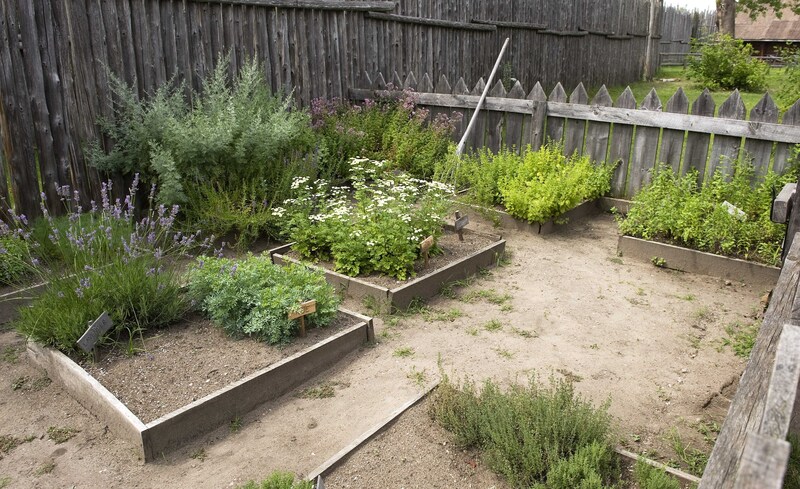
The Environmental Impact: Cooling Cities, Improving Lives
Urban environments are notorious for retaining heat. Asphalt, concrete, and brick absorb and re-radiate warmth well into the night, making summer days and nights progressively warmer. By introducing gardens--from rooftop oases to sprawling public parks--cities can significantly offset these effects.
Scientific Evidence: How Gardens Cool the World
Studies show that urban green spaces can be up to 5-7?C cooler than surrounding areas dominated by hard surfaces. This difference isn't just pleasant for city dwellers; it can be a matter of life and death during heatwaves. Vegetation cools the air through multiple mechanisms:
- Shading: Trees and large shrubs physically block sunlight, preventing paved surfaces from heating up.
- Evapotranspiration: During photosynthesis, plants release water into the air, which has a cooling effect and increases humidity.
- Windbreaks: Dense plantings reduce wind speed, protecting areas from hot, dry conditions and lowering cooling costs for nearby buildings.
The Psychological Benefits of Greener Cities
A cooler world isn't just about temperature--it's about wellness. Gardens offer profound psychological and emotional benefits. Research consistently reveals that spending time in green spaces improves mood, reduces stress, and can even enhance cognitive function. Urban gardening programs have been linked to lower rates of depression and anxiety, increased community cohesion, and greater participation in local life.
Different Forms of Gardens: Champions of a Sustainable Future
There are countless forms gardens can take, and each type contributes uniquely to making our cities and communities cooler, more vibrant, and more sustainable.
Community Gardens: Urban Oasis
Community gardens transform vacant lots into spaces for neighbors to grow not only vegetables and flowers but also friendships and resilience. They:
- Encourage food sharing and reduce food insecurity
- Strengthen social bonds and neighborhood pride
- Improve mental and physical health through active participation
- Increase biodiversity by introducing a mix of edible and ornamental plants
Home Gardens: Personal Powerhouses for Change
Never underestimate the power of a backyard--or even a balcony garden--to make a difference. Home gardens allow people to:
- Grow organic produce, cutting down on pesticide use and food miles
- Compost kitchen waste, reducing landfill burden
- Experiment with native and drought-tolerant plants to conserve water
Rooftop and Vertical Gardens: Greening the Concrete Jungle
In densely packed cities, ground space is limited, but the sky's the limit! Rooftop and vertical gardens:
- Insulate buildings, lowering heating and cooling costs and reducing emissions
- Absorb rainwater and help prevent flooding
- Provide valuable habitats for pollinators and migratory birds in unexpected places
How to Cultivate a Cooler World Through Gardening
Whether you have acres, a small patch, or just a sunny window, you can contribute to a cooler world with your green thumb. Here's how to harness the power of gardens for environmental impact and personal enjoyment.
1. Opt for Native and Drought-Resistant Plants
Native plants are adapted to your local climate and require less water, fertilizer, and maintenance than exotics. They promote local biodiversity and withstand local weather extremes.
- Research your region's native flora--from trees to grasses to wildflowers.
- Encourage pollinators with nectar and habitat-providing species.
- Avoid invasive species that might disrupt local ecosystems.
2. Use Mulch and Ground Cover
Mulching keeps soil cool, preserves moisture, and suppresses weeds. Living ground covers--like clover or creeping thyme--reduce bare soil and reflect less heat back into the atmosphere.
3. Harvest Rainwater and Practice Smart Irrigation
Collecting and using rainwater not only conserves resources but also reduces pressure on municipal systems. Combine this with drip irrigation and watering in early morning or late evening to maximize benefits.
4. Compost for Healthier, Cooler Soil
Composting returns vital nutrients to the earth, boosts soil structure, and enhances water retention--all contributing to a healthier, more productive garden with less need for chemical fertilizers.
5. Create Shade
Strategic planting of trees and tall shrubs around homes and streets can lower ambient temperatures and provide cool relief for people and animals. The right canopy can even cut your home's energy use!
6. Get Involved or Start a Community Garden
If you live in an apartment or don't have yard space, look for opportunities to join or help initiate a local gardening project. Community and school gardens always need extra hands and can serve as powerful tools for education, sustainability, and neighborhood unity.
Case Studies: Gardens Making a Real Difference
Many cities and organizations have already demonstrated that gardens truly hold the power to cultivate a cooler world. Here are a few outstanding examples:
Singapore: The Garden City
Singapore's vision to transform itself into a "City in a Garden" has turned it into one of the greenest urban areas worldwide. Extensive use of rooftop gardens, vertical greenery, and mandated tree planting in new developments has led to:
- Significant reductions in city temperature
- Improved air quality and biodiversity revival
- A unique identity that draws in tourism and investment
New York City: Urban Farms and Green Roofs
From high-rise green roofs peppering Manhattan to community gardens in the Bronx, New York has embraced urban agriculture as a solution to the heat and food access crises. These efforts have led to:
- Local food production for underserved neighborhoods
- Cooler rooftop temperatures, extending building lifespans
- Stormwater management, reducing city sewer overflow issues
Individual Impact: The Backyard Revolution
Gardeners everywhere are discovering the joy and purpose of contributing to a cooler planet right from home. From installing pollinator gardens to adopting permaculture principles, individuals are proving that small efforts add up to big environmental wins.
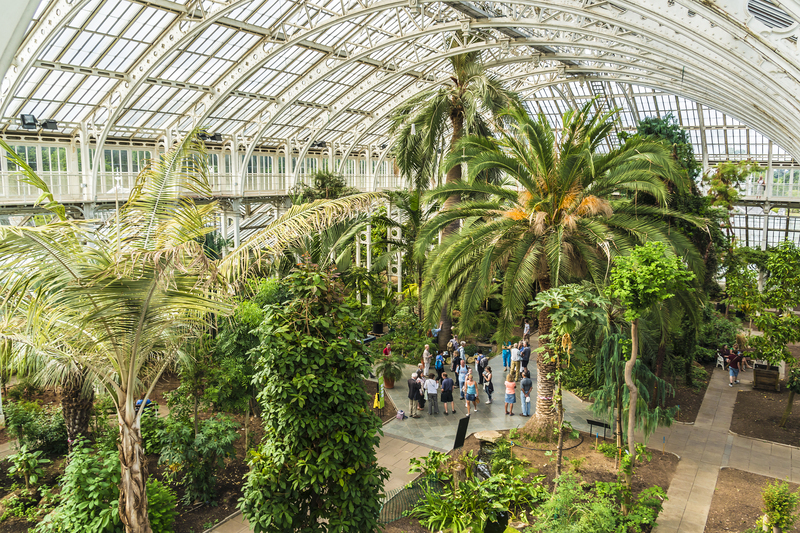
The Power of Gardens: More Than Just Green Spaces
Gardens are not a luxury. They are essential infrastructure for a livable, sustainable future. The importance of gardening extends from cooling streets to nourishing bodies and minds. Investing in gardens--at every scale--delivers measurable benefits for climate, biodiversity, food security, community resilience, and human wellbeing.
Gardens and the Next Generation
Inspiring children to dig, plant, and observe nature is one of the most effective ways to foster lifelong stewardship of the earth. School gardens teach students about ecosystems, responsibility, nutrition, and the interconnectedness of life.
- Hands-on gardening education fosters respect for nature
- Students gain practical skills and healthier eating habits
- Green campuses support local wildlife and mitigate heat
Conclusion: Cultivating a Cooler World--Your Role Matters!
Each of us has the power to make a difference by cultivating gardens in our homes, schools, and cities. Whether you're planting trees along your street, supporting local green initiatives, or simply tending a window box, you are part of a global movement to create a cooler, greener, and healthier world. The impact of every garden, no matter the size, contributes to a collective vision where the power of gardens is harnessed for the wellbeing of people, planet, and generations yet to come.
Plant seeds of change today--and help cultivate a cooler, more thriving world for all.
Latest Posts
Innovative Ideas for Garden Seating Areas You'll Love
Weathering the Storm: Protecting Gardens from Wind
Optimize Your Garden with These 3 Weed Control Tips
Planting the Seeds for a Kid-Focused Garden
Winter Warriors: How to Equip Your Garden for the Cold Months